



Learning from Incidents: A Key to Reducing WCB Premiums and Enhancing Workplace Safety
In any organization, the safety and well-being of employees are paramount. Beyond the ethical responsibility, creating a safe work environment also has financial implications, particularly when it comes to workers’ compensation. Work-related incidents can result in increased premiums, impacting the bottom line of a business. However, a proactive approach to investigating and learning from these incidents can not only minimize the financial burden but also foster a culture of continuous improvement in workplace safety. When an incident occurs in the workplace, be it an accident, injury, or near miss, conducting a thorough investigation is the first step towards understanding the root causes. These investigations go beyond merely assigning blame; instead, they seek to identify underlying factors that contributed to the incident. This process involves gathering data, interviewing involved parties, and analyzing the sequence of events leading up to the incident. The benefits of investing time and resources in such investigations […]

Understanding the Significance of Physical Demands Analysis
In today’s post-pandemic, fast-paced and ever changing world, ensuring the health, safety, and productivity of employees is becoming increasingly more important and challenging for organizations across all industries. Employers need to focus their time and resources on what is within their control rather than what is not. An effective health and safety management program is one that embraces prevention, preparedness and planning in an effort to avoid or address incidents, accidents and injuries. A key component of any health and safety management program is a current and accurate Physical Demands Analysis (PDA) of all positions in the organization. Physical Demands Analysis Defined: Physical Demands Analysis is a systematic approach used to evaluate the physical requirements of job tasks. By analyzing the demands placed on employees, organizations can identify potential risks, design appropriate interventions, improve overall workplace ergonomics and facilitate return to work options for injured or ill workers. A PDA […]

Construction Safety Hazards and How to Address Them
Spring is sprung, the grass is riz, but what about the construction biz? Even though construction is ongoing throughout the year, springtime marks the start of the busiest period for the industry as a whole. Roadwork, excavation, erecting buildings and other outdoor work have all been on hiatus, or at least cut back, through the winter months just waiting to ramp up as soon as the weather allows. With this increase in productivity is an increase in risk of injury or accident on the jobsite. Now is the time to start reviewing safety hazards and educating your workforce on how to avoid workplace incidents. There are several common construction safety hazards that workers may face on construction sites. Here are a few examples: Falls: Construction workers often work at heights, which can lead to falls. These can occur from ladders, scaffolding, roofs, or other elevated surfaces.Electrical hazards: Workers may come […]

Winter’s Coming, Are You Ready?
It’s been a great run of fabulous fall weather but don’t fool yourself, winter and all that comes with it is on its way. Daylight hours are getting shorter, temperatures are dropping, snow will start flying and soon clocks will be turning back to standard time. Winter has its own unique set of hazards and safety concerns; however, with a proactive approach, costs associated with WCB claims, time loss and reduced productivity due to illness or injury may be avoided. Whether your staff works indoors or outdoors, commutes to work or uses a vehicle as part of their duties, here are some helpful hints and reminders that could help mitigate the inherent risks of winter that face your organization: Dress Appropriately: There are going to be warm, possibly even hot, days and there are going to be cold and frosty days. Unfortunately, the temperature does not drop consistently so watching […]
First Aid in the Workplace
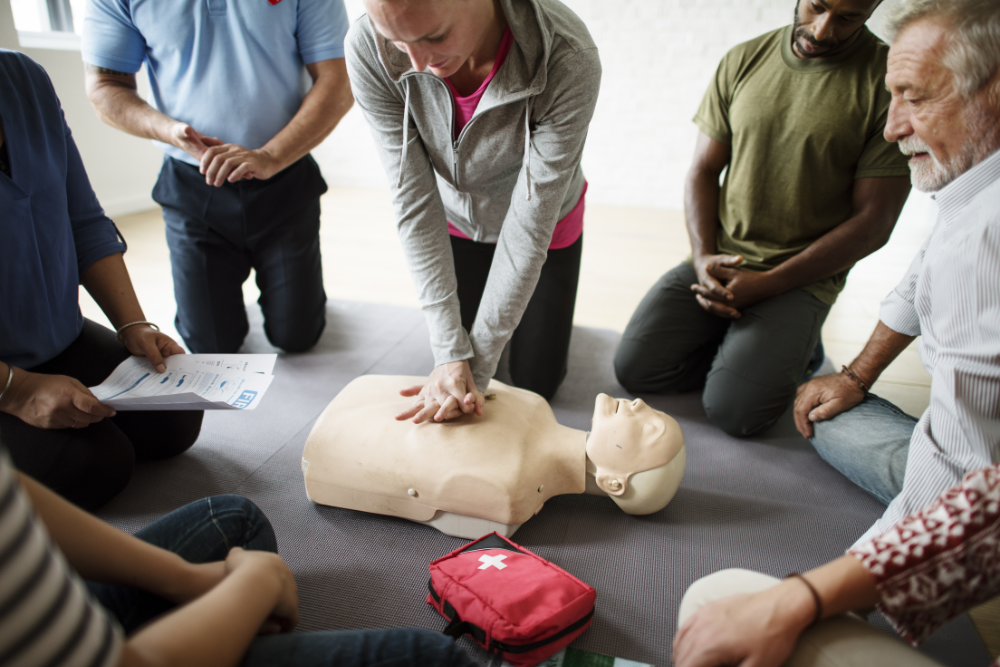
First Aid. That’s what it’s called because that’s what it is, the First response to an injury or accident to provide Aid. Accidents aren’t orchestrated, they are opportunistic, unexpected, unplanned events with no way to fully anticipate where and when they will occur. The initial actions taken immediately following an incident are often the most critical in terms of reducing or addressing the severity of an injury or even preventing death. If the first person that responds to a situation has basic first aid training it can improve the odds of a best scenario outcome. It’s why ensuring that every employee has basic first aid training and is able to respond to any injury, accident or emergency that occurs. It is why first aid is the foundation of an effective health and safety management program (HSMP). Although workplace safety regulations and standards for first aid vary by province or territory […]